
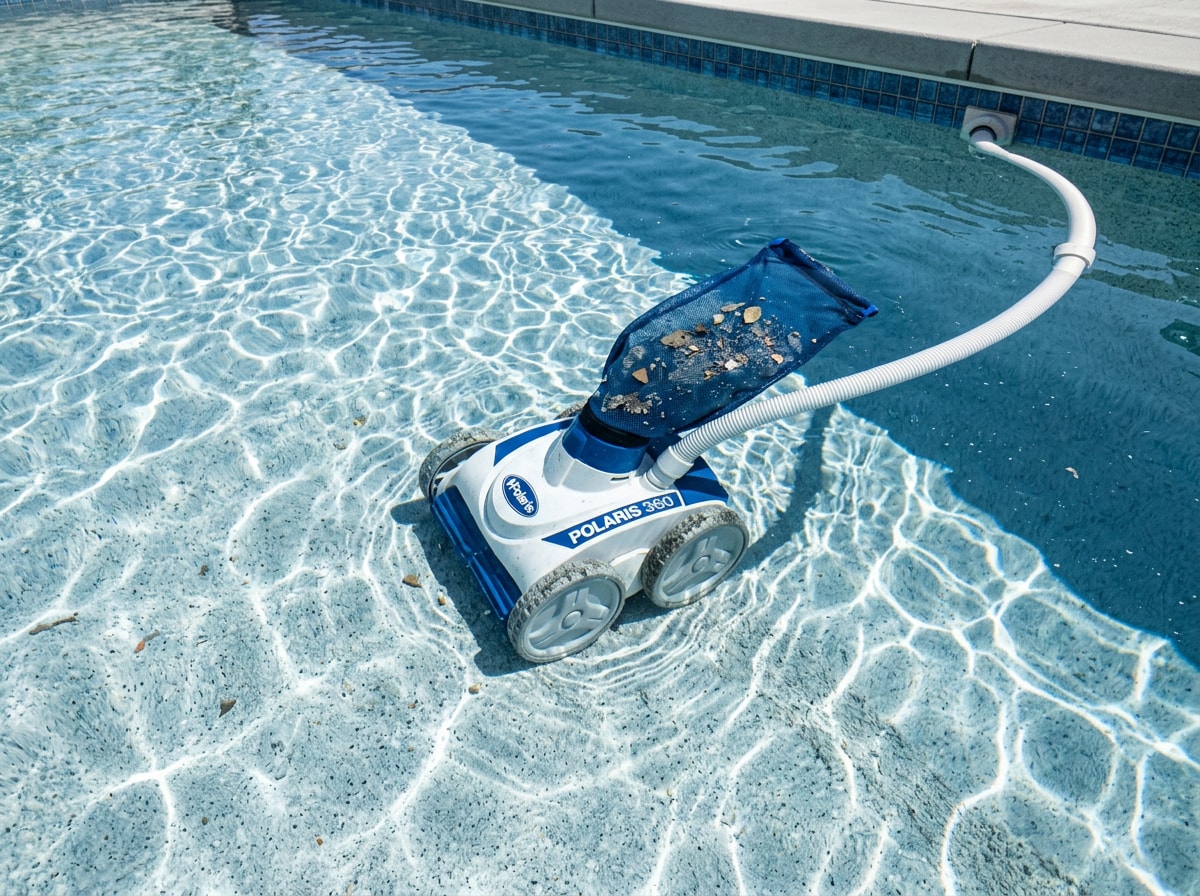
A pressure side pool cleaner in Apopka, FL uses water pressure, either from your pool's return line or a dedicated booster pump, to sweep debris into an attached bag while it crawls the floor and walls. It's one of three main automatic cleaner types, alongside suction-side and robotic units, and it's common on pools throughout the Orange County area. If you've got one already plumbed into your equipment pad, or you're trying to identify what's installed on a pool you just inherited, here's what to know before you buy, install, or troubleshoot one.
Pressure-Side Pool Cleaners in Apopka: Options at a Glance
Pressure-side systems fall into two camps.
Booster-pump models run on a separate dedicated pump. They cost more upfront and to operate, but offer the strongest debris capacity for heavy loads like leaves and twigs.
Non-booster models draw power from your pool's existing filtration pump. They cost less to run and suit pools with lighter, more routine debris.
Not sure which category your equipment falls into, or whether it's still doing its job? Our pool cleaning service team can confirm what's installed and whether it still matches your pool's debris load.
How to Choose a Pressure-Side Pool Cleaner
Matching the cleaner to your pool comes down to three factors: size and shape, typical debris load, and whether you're willing to add a booster pump to the equipment pad. Get those wrong and even a well-built cleaner will underperform.
Pool size and shape matter because a cleaner sized for a small rectangular pool can miss corners or stall out in a larger freeform design. Debris load matters just as much. A pool sitting under oak canopy, which describes a lot of Apopka backyards, sees heavier leaf and pollen debris for several months a year than a pool in an open, sun-exposed yard.
Wheel design affects how well a cleaner tracks across different floor textures, from smooth plaster to pebble finishes. Bag or canister capacity determines how often you'll empty it during heavy debris season versus a quieter stretch of the year. And the booster pump question isn't optional for every model. Some cleaners only run with one, which affects both installation cost and long-term running cost.
Weigh all four together rather than picking on price alone. Our pool equipment upgrade service covers sizing and compatibility if you're comparing options for a specific pool.
Pressure-Side Cleaners by the Numbers
Booster-pump models typically run on a 3/4 HP to 1 HP motor. The Polaris PB4-60 booster pump, one of the most common units paired with pressure-side cleaners, uses an ultra high efficiency 3/4 horsepower motor . Expected cleaner lifespan generally lands in the 6-to-10-year range depending on maintenance.
Here's how that breaks down across common configurations:
| Cleaner Type | Booster Pump HP | Flow Rate (GPM) | Typical Lifespan |
|---|---|---|---|
| Entry-level booster-pump cleaner | 3/4 HP | ~44-50 GPM | 6-8 years |
| Mid-range booster-pump cleaner | 1 HP | ~50-60 GPM | 7-9 years |
| Non-booster (pump-fed) cleaner | Uses existing pump | ~40-45 GPM | 8-10 years |
These ranges vary by manufacturer and model year, so always confirm against the specific unit's installation manual before sizing a replacement pump or troubleshooting weak performance.
The Booster Pump Consideration
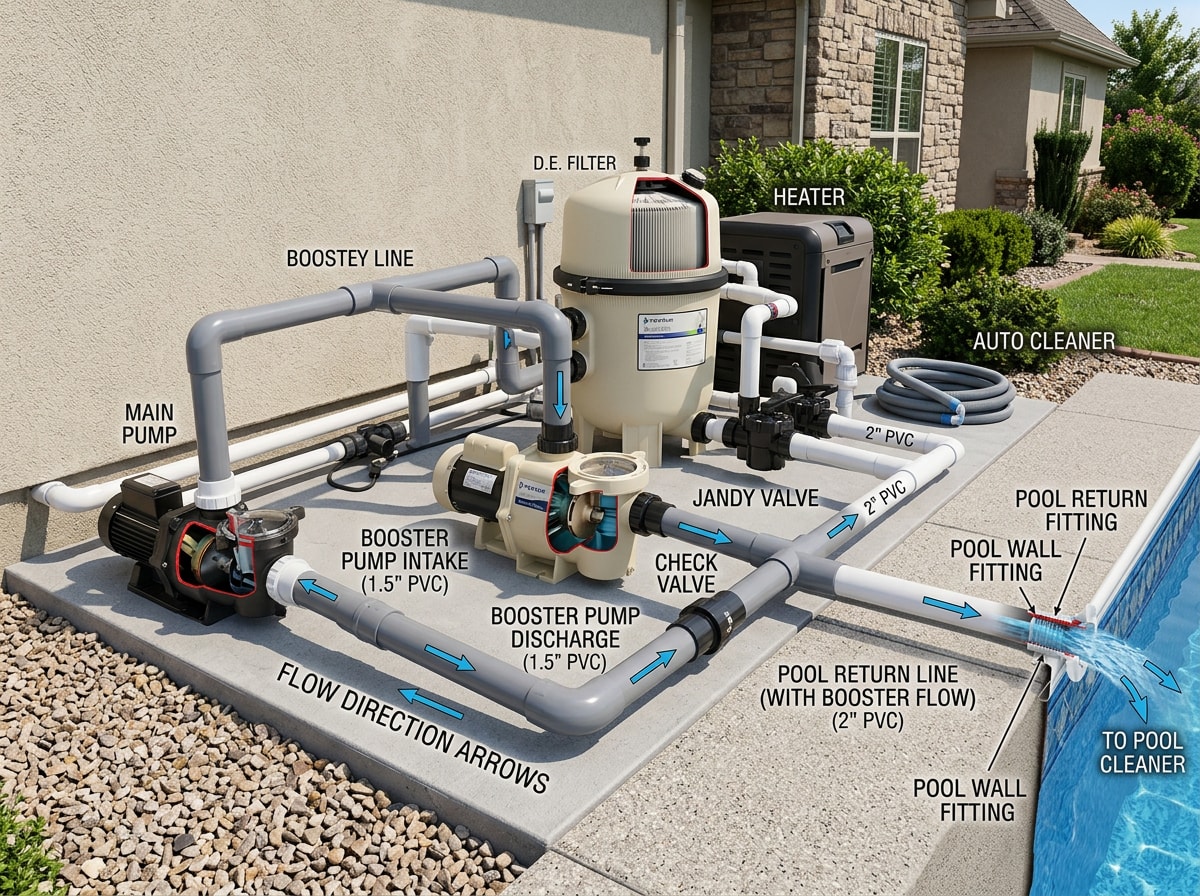
A booster pump is a separate, dedicated pump plumbed into the pool's return line solely to power the pressure-side cleaner. It operates independently from the main filtration pump. Some cleaners need one to function at full strength; others are designed to run off the main pump's existing pressure.
The trade-off is cost. Booster-pump systems are generally the most expensive pressure-side option to run day to day, since you're powering a second motor on top of your main circulation pump. Non-booster designs cost less to operate but usually can't match the same debris capacity or cleaning speed on a heavily soiled pool.
Energy Consumption
Booster pumps typically draw somewhere between 750 and 1,500 watts depending on horsepower, compared to far lower draw from smaller circulation-only equipment. Run eight hours a day, that gap adds up over a billing cycle, so the actual dollar impact depends heavily on local electricity rates, run time, and the pump's age.
ENERGY STAR certified models also include small size pool pumps, pressure cleaner boosters, and above ground pool pumps , so an efficiency upgrade on the booster side is worth asking about when you're already replacing equipment. Industry efficiency rules reinforce this: the PHTA-15 Standard for Residential Pool and Spa Energy Efficiency is incorporated by reference in the International Swimming Pool & Spa Code , which is part of why newer booster pumps run more efficiently than older single-speed models. If you're weighing whether to keep an aging booster pump or swap it, our pool equipment repair page can help you compare the real running cost.
How to Install & Set Up a Pressure-Side Pool Cleaner
Installation follows a fairly consistent sequence regardless of brand:
- Clean the filter first so the system isn't pushing debris-laden water through a clogged element from the first cycle.
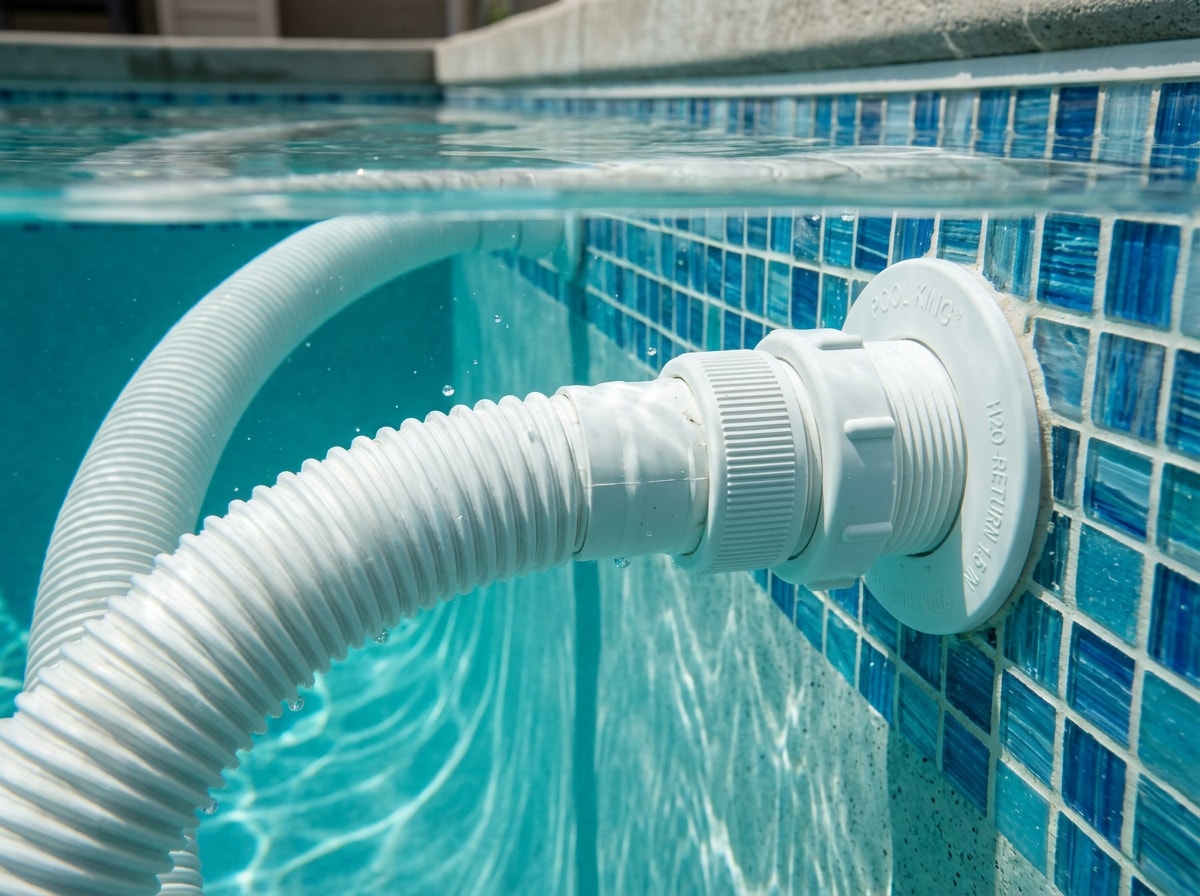
- Measure and trim the feed hose to reach the pool's deepest point without excess slack.
- Route the hose to the point farthest from the return line, since that positioning helps the cleaner cover the most ground before looping back.
- Connect the hose to the cleaner body.
- Submerge the unit and power on the system.
Hose layout matters more than it seems. A kinked or twisted feed hose restricts flow and causes the cleaner to stall in one spot instead of tracking the full pool floor. Wheel-rotation speed is the other variable worth watching during setup. Spin too slow and coverage suffers; spin too fast and the cleaner can lift partially off the floor instead of gripping it.
If the installation feels like more than a weekend project, our swimming pool contractor team outlines what a professional setup typically involves, and you can schedule a free inspection before buying anything.
What Is the Ideal Jet Pressure for Different Pool Sizes?
Jet pressure should scale with pool size. Smaller pools generally need lower pressure settings to avoid overpowering the cleaner's tracking. Larger pools need higher pressure to maintain adequate circulation across the full surface without leaving weak-coverage zones near the far walls.
Most systems include an adjustable pressure valve at the wall fitting or equipment pad, letting you dial pressure up or down without replumbing anything. Running pressure too high can strain the hose connections and accelerate wear on the cleaner's internal seals. Running it too low leaves debris sitting in corners the cleaner never quite reaches. Manufacturer installation manuals list a recommended operating PSI range for the specific model, so check that range rather than guessing.
How to Maintain a Pressure-Side Pool Cleaner
Routine upkeep keeps a pressure-side cleaner running at full strength and extends its working life:
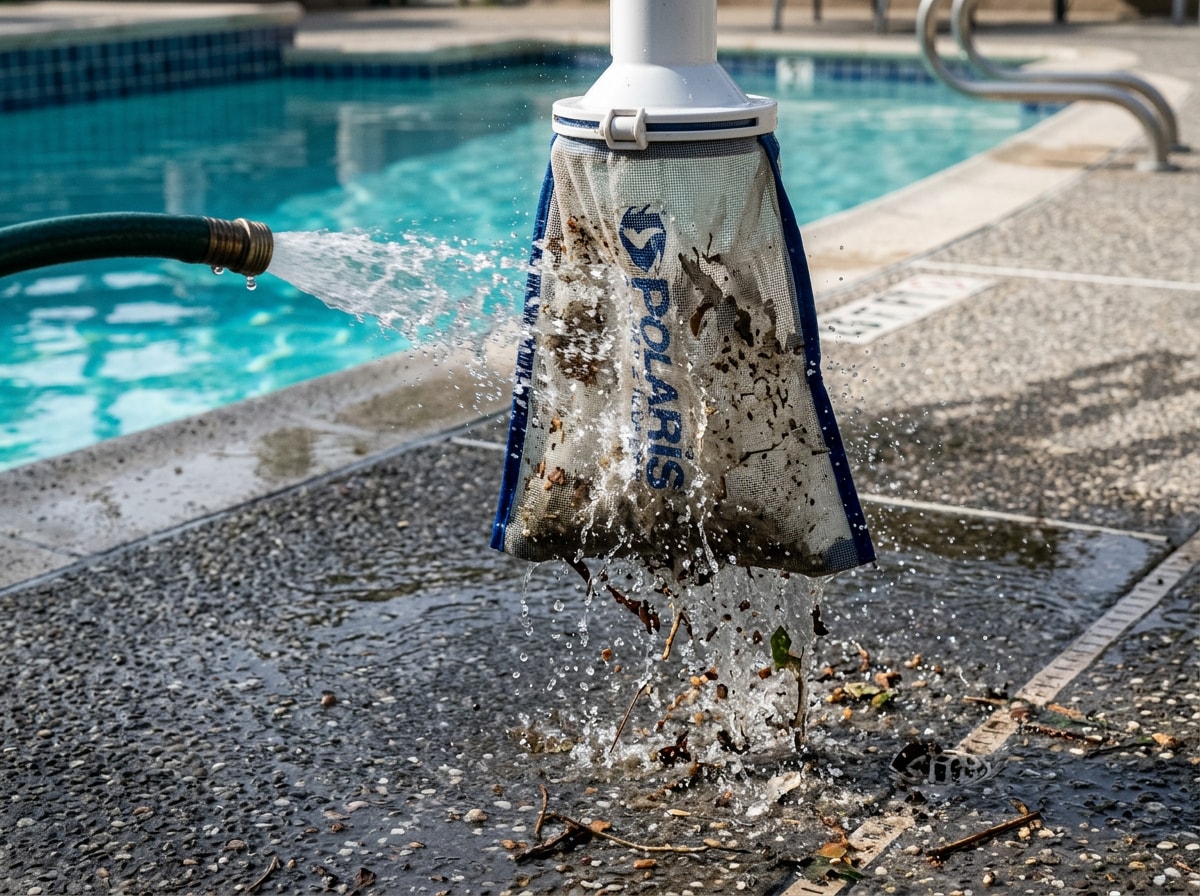
- Rinse or empty the filter bag regularly.
- Clear debris blocking openings on the sweep hose and cleaner body.
- Inspect wheels and rollers for tangled hair, string, or plant matter that slows rotation.
Apopka pools deal with two maintenance pressures the manuals don't always mention. On service calls across backyards shaded by live oak canopy, we routinely see filter bags clog far faster than a standard seasonal schedule assumes once leaf drop picks up in fall and winter, so checking the bag more often during that stretch pays off. Many Apopka homes also run on well water or water with higher mineral content, which can accelerate buildup on wheels and bearings over time if they're not rinsed periodically.
For a maintenance schedule built around local debris and water conditions, our pool maintenance service covers what a seasonal plan typically includes. Heavy, unmanaged debris buildup is also one of the fastest routes to an algae bloom. If your water has already turned, our guide on how to get rid of algae in an Apopka pool walks through the fix.
Troubleshooting a Pressure-Side Pool Cleaner
A cleaner that won't move, or moves erratically instead of tracking the full pool floor, is the most common complaint owners run into. Often the fix is adjusting the thrust jet, which controls how much forward power the cleaner gets from the water stream.
Wheel speed tells you which direction to adjust:
- Rotating too slowly: covers less ground and leaves patches of debris behind.
- Spinning too fast: can lift the cleaner partially off the floor, which shows up as hopping or stalling near walls and steps.
Both issues usually trace back to jet pressure, a partially clogged hose, or a kinked feed hose. Working through those three checkpoints resolves most tracking complaints before anything needs replacing. When adjustments don't restore normal movement, it's often a sign of worn internal parts rather than a setup issue, which our swimming pool repair service can help diagnose.
Is a Pressure-Side Cleaner Still the Right Call for Your Apopka Pool?
For pools under heavy tree cover or with a history of leaf and twig buildup, a booster-pump pressure-side cleaner still outperforms most robotic units on raw debris capacity. For pools with lighter, routine debris, a non-booster model or a robotic cleaner often costs less to run over time.
This guide reflects the field experience of SWIMM Solutions' pool service technicians, who service pressure-side, suction-side, and robotic cleaner setups on pools across Apopka, Orlando, and the surrounding Central Florida area. If you want a second opinion on what's already installed on your pool, or you're deciding what to buy next, schedule a free inspection and we'll walk the equipment pad with you. You can also see examples of our completed pool and equipment work on our projects page or learn more about our company.
FAQ
Do Pressure-Side Pool Cleaners Need a Booster Pump?
Some pressure-side cleaners require a dedicated booster pump to generate enough force, while others run entirely off the pool's existing return-line pressure. Whether yours needs one depends on the specific model and its manufacturer-listed pump requirement, not on pool size alone. Checking the cleaner's installation manual is the fastest way to confirm which category it falls into.
How Long Do Pressure-Side Pool Cleaners Last?
A well-maintained pressure-side cleaner typically lasts 6 to 10 years, with wheels, drive belts, and jet components usually wearing out before the cleaner body itself fails. Lifespan varies based on usage hours, debris load, and how consistently wheels and hoses get inspected.
What Is the Best Pressure-Side Pool Cleaner Overall?
There's no single best model for every pool. The right choice depends on debris load, pool size, and whether a booster pump fits the budget. As a general pattern, non-booster-pump cleaners tend to be the easiest to install and the cheapest to run, while booster-pump models handle heavier debris loads more aggressively.
Is a Pressure-Side Pool Cleaner Still Worth It in 2026?
Yes, for the right situation. Pools with heavy leaf or twig debris, or pools that already have booster-pump plumbing installed, still get strong value from a pressure-side cleaner. Pools with light, routine debris often do just as well with a lower-cost non-booster model or a robotic cleaner instead.
Pressure-Side vs. Robotic Pool Cleaner: Which Should I Choose?
Pressure-side cleaners generally win on raw debris capacity and continuous operation while your main pump runs, which suits heavy leaf-drop pools. Robotic cleaners run independently of your pool's plumbing, often clean the waterline and steps better, and typically use less energy per cycle. The better fit depends on your debris load and whether you already have a booster pump installed.