Replaster pool cost in Lake Mary, FL typically runs $4,500 to $9,800 for a standard residential pool in 2026, with pebble and quartz finishes pushing well past $12,000. The number you land on depends on pool size, how much structural repair is hiding under the old surface, and the finish you pick. This guide breaks down real local pricing, the add-on costs contractors rarely mention upfront, and how to spot a lowball quote before you sign anything.
Professional Pool Plastering Services in Lake Mary, FL
Replastering a pool means stripping the old surface down to the structural shell, repairing cracks or hollow spots, applying a bond coat, and troweling on a fresh layer of plaster or specialty finish. It's different from an acid wash or cosmetic patch. The old material comes off completely so the new surface bonds properly and lasts its full lifespan.
In Lake Mary, this work matters more than it does in cooler climates. Central Florida's year-round pool season, intense UV exposure, and naturally hard well water all speed up plaster wear. The UF/IFAS Extension notes that water hardness refers to the amount of calcium and magnesium ions in the water , and in Central Florida's limestone aquifer those minerals end up bonding to pool plaster over time. Many homes built in the late 1990s and early 2000s are now hitting the 15-20 year mark, right when original plaster starts failing.
On a recent Lake Mary job, our crew pulled back what looked like a single cosmetic hairline crack and found exposed rebar underneath. That one finding added close to $1,800 in structural repair before any plaster could go on, which is exactly the kind of surprise a drained inspection is meant to catch before it becomes a change order.
A qualified pool plastering team will also inspect the plumbing, tile line, and coping before starting, since those often need attention at the same time as the resurfacing itself. See our full pool resurfacing and plastering services for what's included in a standard scope.
Signs Your Pool Needs Resurfacing
A pool needs resurfacing when any of these show up:
- The surface feels rough or sandpaper-like underfoot
- You see visible staining or chalky white etching
- There's exposed rebar or structural cracking
- The water stays cloudy despite balanced chemistry
Any one of these is reason enough to call a contractor for an inspection.
Rough texture is usually the first thing homeowners notice. It happens as plaster ages and erodes, exposing the aggregate underneath. This isn't just uncomfortable on bare feet, it's a clear sign of plaster deterioration.
Staining and chalking, sometimes called "dusting," point to chemical imbalance eating away at the surface over time. Hairline cracks are common and often cosmetic, but wider cracks or visible rebar mean structural repair is overdue, not optional. If cracking is paired with water loss, it's worth ruling out a leak before you commit to a resurfacing date. Our swimming pool leak detection guide covers how to tell the difference.
Chronic cloudy water, even after shocking and rebalancing, often means the rough surface is harboring organic material and minerals that won't rinse clean. If you're only seeing mild surface dulling with no rough patches, it may be worth monitoring for another season rather than resurfacing immediately.

Pool Resurfacing Cost by Size and Finish in Lake Mary, FL (2026)
Lake Mary pool resurfacing cost breaks down two ways: by pool size and by finish material. Smaller pools cost less overall, but finish choice often swings the price more than size does.
Here's a general 2026 pricing snapshot for the local market:
| Pool Size | Standard Plaster/Marcite | Quartz Finish | Pebble Finish |
|---|---|---|---|
| Small (under 450 sq ft) | $4,000 – $5,800 | $5,500 – $7,500 | $7,000 – $9,500 |
| Mid-size (450–700 sq ft) | $5,500 – $7,800 | $7,200 – $9,800 | $9,000 – $12,500 |
| Large (700+ sq ft) | $7,500 – $10,500 | $9,500 – $13,000 | $12,000 – $16,500 |
These are installed ranges, not material cost alone, and assume a standard rectangular or freeform pool with reasonable equipment access.
Standard white plaster remains the most budget-friendly option and still holds up well with consistent water balance. Quartz finishes add color and a bit more durability for a moderate premium. Pebble finishes cost the most upfront but typically last longest, often 15-20+ years versus 7-12 for standard plaster.
Tile accent work, waterline tile replacement, or mosaic details add cost on top of any of these tiers. If you're updating the tile line at the same time, our pool tile replacement page breaks down material and labor separately.
One local note: Lake Mary pricing tends to track Central Florida averages rather than South Florida markets. Labor and material costs generally run lower here than in Miami or Boca Raton for comparable scope.
Ready to put real numbers against your pool? Get a free estimate based on an in-person inspection, not a phone quote.
What's Included and What Costs Extra
A standard quote should include draining the pool, chipping out the old surface, patching cracks, applying a bond coat, and troweling the new plaster or finish. Most contractors also include basic cleanup and a short water-fill service.
Pricing often stops there, though. Here's how base scope compares to common add-ons:
Base scope (usually included):
- Draining and surface prep
- Bond coat application
- New plaster/finish installation
- Standard color (white or light gray)
- Basic site cleanup
Common add-ons (often billed separately):
- Full waterline tile replacement: $800 – $2,500
- Plumbing line repair or replacement: $500 – $3,000+
- Pool light niche or fixture upgrades: $200 – $600 each
- Skimmer or return fitting replacement: $150 – $400 each
- Permit fees: $100 – $400
- Equipment pad upgrades (pump, filter): $800 – $2,500+
Hidden costs usually come from vague wording, not dishonesty. A good quote lists each line item separately rather than bundling everything into one number. If a bid looks unusually low, ask specifically whether tile, plumbing inspection, and permit fees are included before you sign. If equipment is due for an update anyway, a pool equipment upgrade during the same drained period saves a second mobilization fee later.
Lake Mary-Specific Market Factors in 2026
Several local factors shape pricing beyond the pool itself. Seminole County pool permits are required for resurfacing work involving structural repair or equipment changes, and processing times can add a few weeks to scheduling.
Labor availability matters too. Central Florida's pool trade has stayed busy through 2026, and experienced plastering crews often book out several weeks in peak season (spring through early summer). HOA communities around Lake Mary sometimes add their own requirements for work hours, equipment staging, or fencing during construction, which can affect scheduling but rarely changes the core price.
On materials, 2026 costs for cement, aggregate, and specialty finishes have stayed relatively stable compared to the sharp increases seen a few years ago, though pebble and quartz aggregates imported from overseas remain more sensitive to shipping costs than standard plaster mix.
Pool condition can also factor into homeowners insurance underwriting or renewal inspections, since insurers may flag visibly deteriorating pool structures as a liability concern. The Florida Office of Insurance Regulation outlines consumer resources for understanding how home condition affects coverage decisions. It's a secondary issue, but one more reason not to let failing plaster go unaddressed.
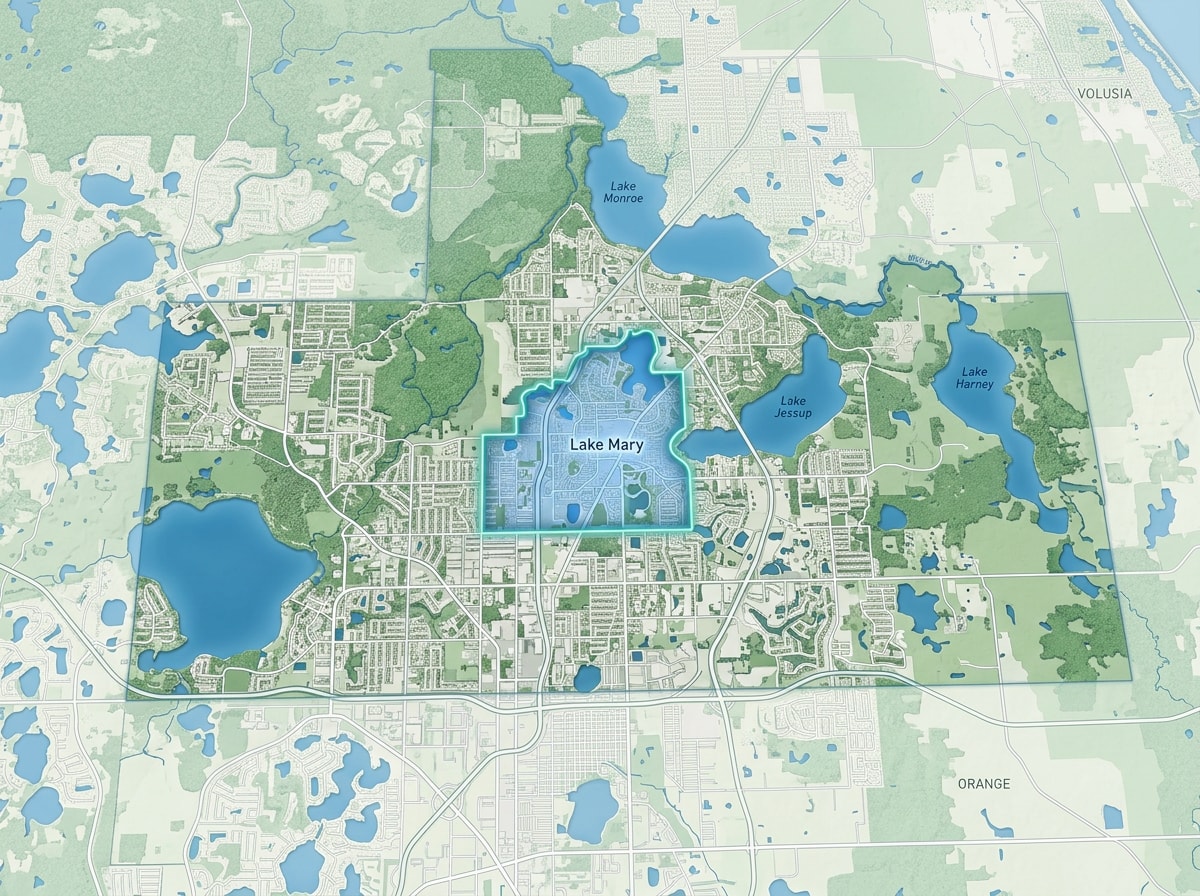
See if you're in our Lake Mary or Seminole County service area.
How to Get an Exact Price
Online ranges are useful for budgeting, but an accurate quote requires a contractor to see your specific pool. Square footage, current finish type, water depth, equipment age, and site access all affect labor time and final cost.
Before requesting quotes, gather this information:
- Pool square footage and shape
- Current finish type and approximate age
- Known issues (cracks, leaks, cloudy water history)
- Equipment age (pump, filter, heater)
- Any HOA or gate access restrictions
Browse completed local jobs on our projects page to see the kind of finish quality a detailed quote should match.
Which License Can Legally Resurface a Pool in Florida
Florida requires pool resurfacing and plastering work to be performed by a licensed pool/spa contractor or certified specialty contractor, depending on project scope. This isn't just paperwork. Unlicensed work can void warranties, create liability if something goes wrong, and cause problems if you later sell the home and a buyer's inspector flags unpermitted work.
Hiring a licensed contractor also means they carry required insurance and have passed state competency exams. License requirements can vary slightly depending on whether the project includes structural, electrical, or plumbing changes alongside the surface work.
Always ask for a license number and verify it before signing a contract. You can confirm active status through the Florida Department of Business and Professional Regulation.
Why Calcium Keeps Coming Back Through Pool Plaster
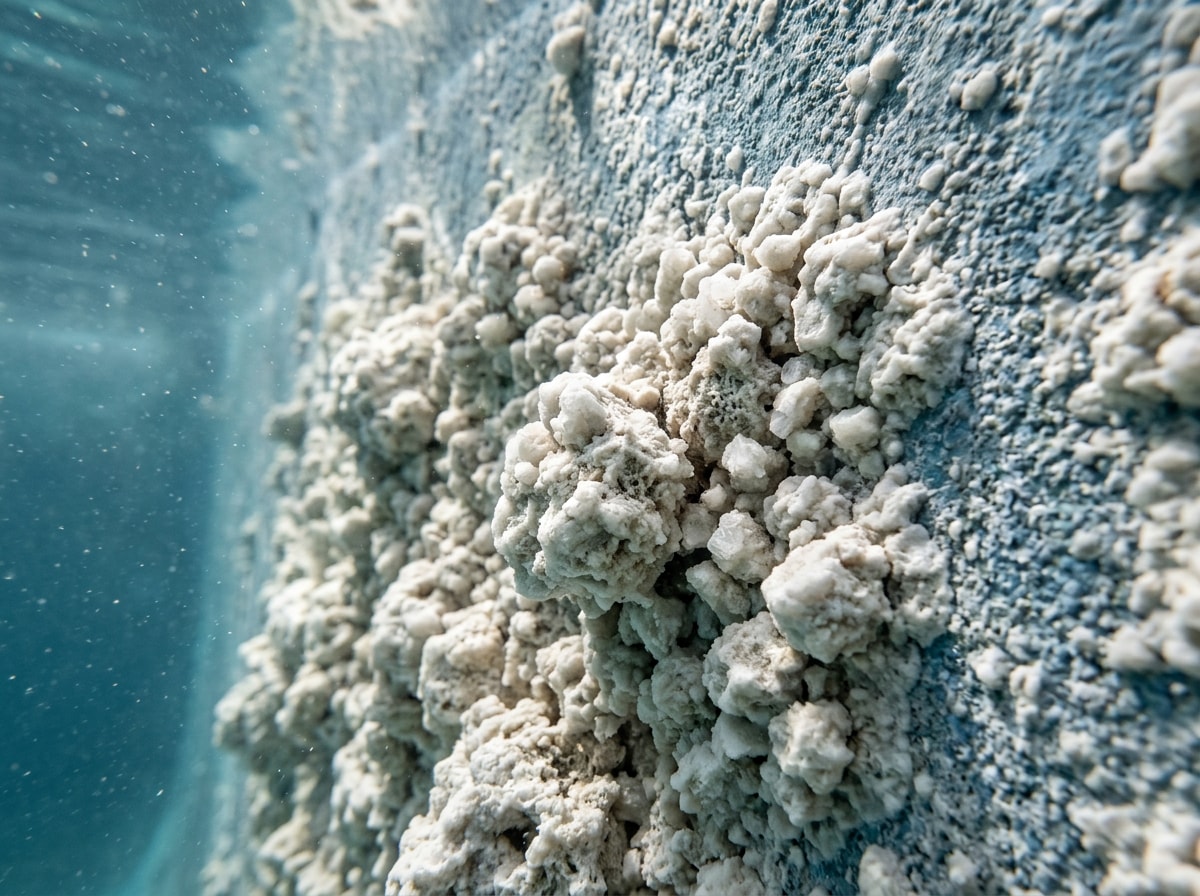
Calcium scaling happens when pool water chemistry stays out of balance long enough that dissolved calcium precipitates out and bonds to the plaster surface, forming rough white nodules or gray blotches. It's a water chemistry issue, not a sign of bad workmanship, though poor installation can make it worse.
Maintaining proper water balance, correct pH, alkalinity, and calcium hardness relative to the Langelier Saturation Index, is one of the biggest factors in plaster lifespan. Pools with consistently unbalanced water can see scaling or surface breakdown within just a few years, even with premium finishes. The Pool & Hot Tub Alliance publishes maintained water-balance guidelines that most licensed contractors reference when troubleshooting scaling.
Our water chemistry balancing service is often the cheapest way to extend plaster life between resurfacing jobs.
How to Save on Resurfacing Without Cutting Corners
Real savings come from bundling work, not skipping steps. Scheduling tile replacement, equipment upgrades, or light fixture swaps during the same drained period you're already paying for saves on labor compared with doing each project separately later.
Timing also helps. Booking during Lake Mary's slower winter months can sometimes mean better scheduling flexibility and pricing than peak spring and summer season.
When you compare quotes, make sure each bid covers identical scope: same finish type, same prep process, same warranty terms. A bid that's dramatically lower than others often means thinner plaster application, a skipped bond coat, or no structural inspection, all of which show up as costly callbacks within a year or two. If you're weighing a full overhaul instead of a straight replaster, our pool renovation team can walk through both paths side by side.
Keep your pool on a regular maintenance schedule after resurfacing to protect that investment long-term.
About This Guide
This guide is maintained by the project team at Swimm Solutions, a Lake Mary-based swimming pool, concrete, and tile contractor serving Seminole and Orange County homeowners. Pricing reflects completed local jobs and current material costs, not national averages. For project-specific numbers, contact our team for a free, in-person estimate.
FAQ
What's the difference between resurfacing and replastering?
"Resurfacing" is the umbrella term covering any new pool surface: plaster, quartz, pebble, or tile. "Replastering" specifically means applying a new cement-based plaster or marcite finish, the most common and affordable resurfacing option available.
What is the typical cost to resurface a pool in Florida?
Statewide, pool resurfacing in Florida typically runs $4,000 to $15,000 depending on region, size, and finish. Lake Mary pricing generally sits toward the middle-to-lower end of that range, closer to Central Florida averages than South Florida's higher-cost markets.
How long does pool replastering take?
A standard replaster job usually takes 3 to 7 days from drain to refill, though curing time before the pool can be used again often adds another week or two. Jobs involving tile, plumbing repair, or structural patching run longer.
How often does a pool need to be replastered?
Standard white plaster typically lasts 7 to 12 years before it needs replacing. Quartz finishes last longer, and pebble finishes can last 15 to 20+ years with consistent water balance.
Is it cheaper to replaster or fully resurface a pool?
Replastering with standard plaster is the cheapest resurfacing option. "Fully resurfacing" with a pebble, quartz, or tile finish costs more upfront but usually lasts longer, so the cheaper choice today isn't always the cheaper choice over the pool's lifespan.
What is the average monthly cost of pool maintenance in Florida?
Routine pool maintenance in Florida typically costs $80 to $150 per month for professional service, separate from one-time costs like resurfacing. Chemicals, equipment repairs, and seasonal cleaning are usually billed on top of that base rate.
How much does it cost to ecoFINISH a pool?
ecoFINISH, a coating applied over existing plaster rather than a full tear-out, typically costs $2,500 to $5,000 depending on pool size. It's a budget-friendly alternative worth considering when the existing plaster is stable but cosmetically worn.