A pool repair kit Winter Park, FL homeowners grab after spotting a slow leak near the steps isn't one-size-fits-all. Vinyl, gunite, and fiberglass pools each need a different patch material, adhesive, and cure time, so the wrong kit means a lifted patch and more water on the deck within days. Here's how to match the kit to your pool shell, apply it correctly the first time, and recognize when the damage is bigger than a tube of adhesive can fix.
Pool Repair Kit Types by Pool Surface Material
A pool repair kit isn't one universal product. Vinyl, concrete/gunite, and fiberglass pools each demand different patch chemistry and application methods. Buying the wrong kit is one of the most common DIY mistakes, so confirm your shell material before you shop.
Vinyl Liner Tears and Punctures
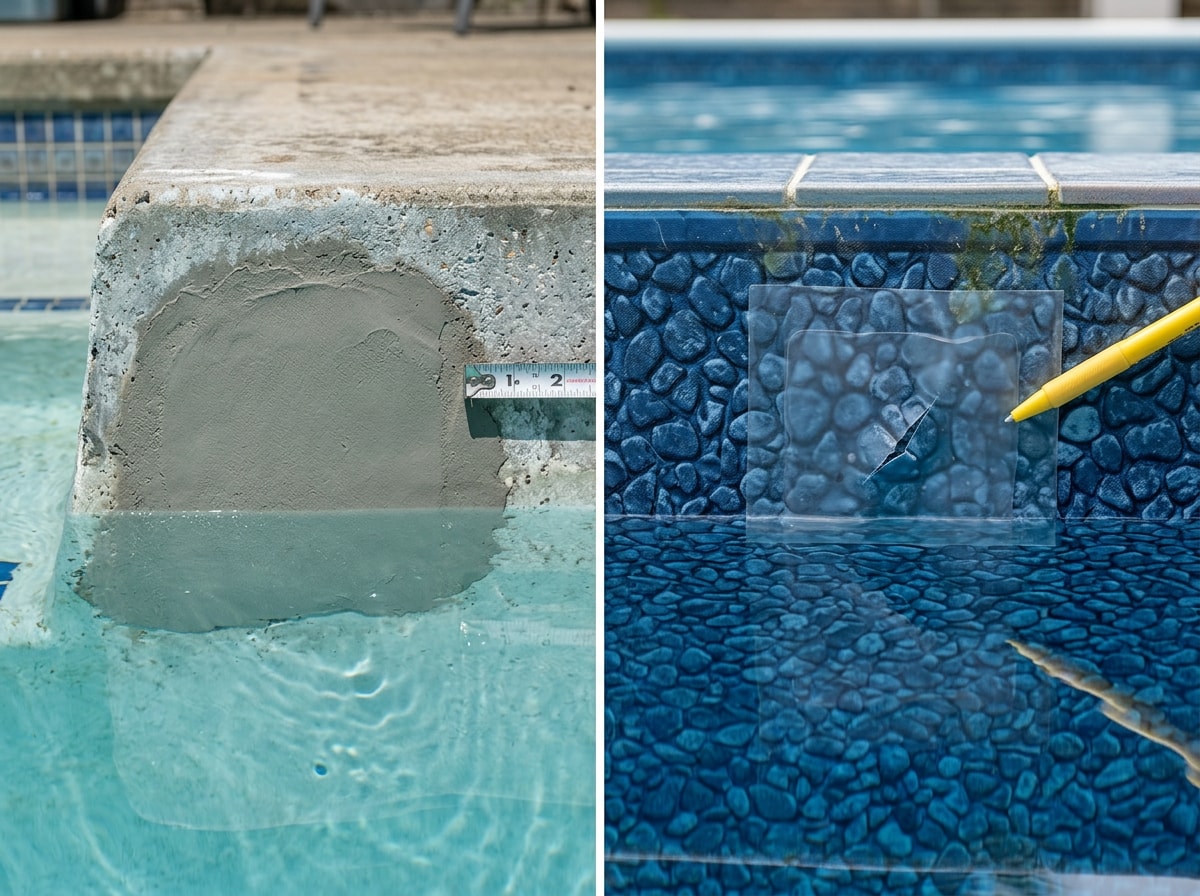
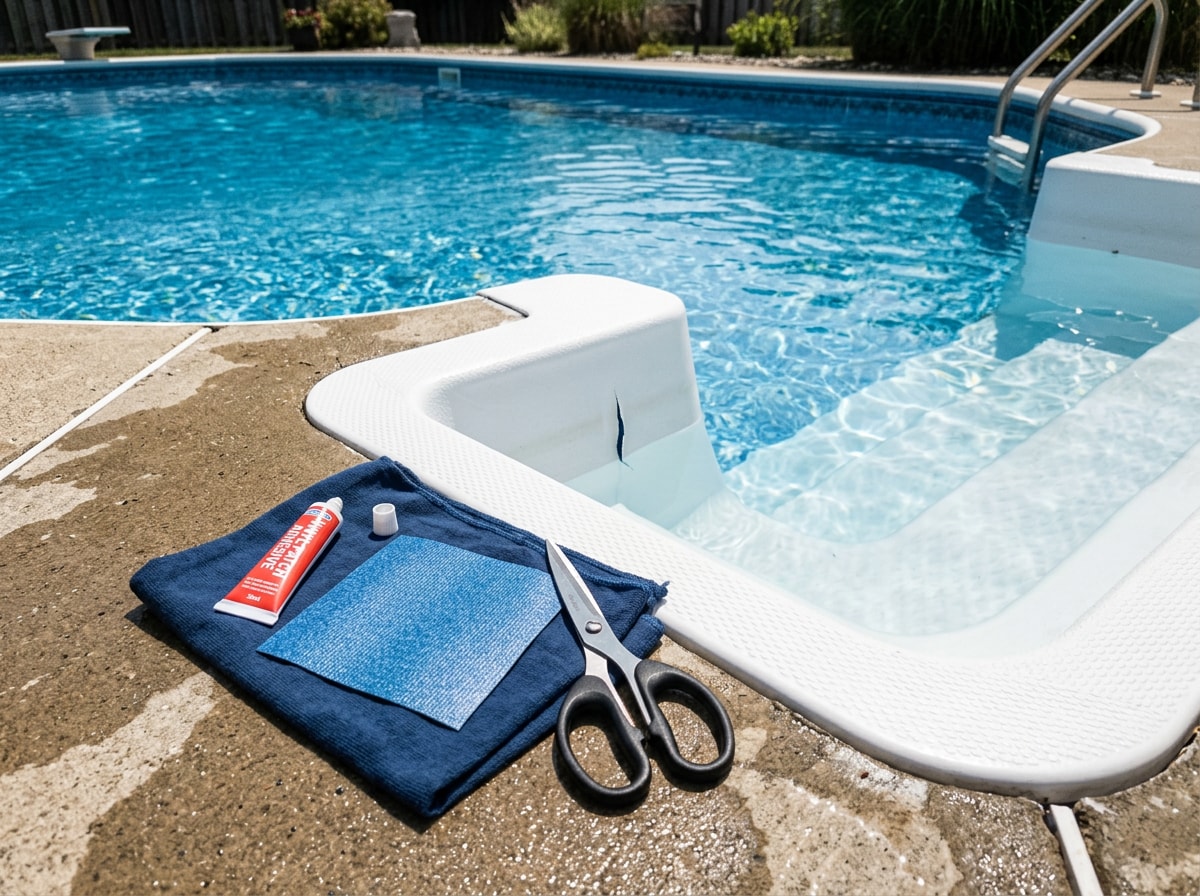
Vinyl liners tear from pool toys, pet claws, furniture, and ordinary wear around steps and corners. A vinyl pool liner repair kit pairs an underwater-rated adhesive with a flexible vinyl patch you cut to size.
The adhesive matters more than the patch material itself. Cheaper glues lift at the edges within a season, especially in heavily chlorinated water. Look for a kit labeled specifically for underwater or wet-surface application if you don't want to drain the pool.
Concrete, Gunite & Plaster Repairs
Many older inground pools around Central Florida, including homes throughout Winter Park, were built with gunite or shotcrete shells finished in plaster. These surfaces need a premixed, pigmented cement or acrylic-polymer compound rather than a flexible patch, so the repair blends into the surrounding plaster color.
Cure time and color match set plaster kits apart from vinyl patches. Plaster repairs often need 24 to 72 hours to set and may require a shade adjustment to match sun-faded plaster. If you're not sure which surface you have, scrape a small hidden area: a hard, textured feel means plaster or gunite, while a smooth, slightly flexible surface means vinyl.
Fiberglass Pool Cracks and Chips
Fiberglass pools develop spider cracks and small surface chips rather than tears. A fiberglass pool repair kit usually includes resin, hardener, and fiberglass cloth that's layered over the damaged spot and sanded smooth once cured. These repairs are cosmetic more often than structural, but a spreading spider-crack pattern is worth monitoring closely.
| Surface Type | Kit Contents | Typical Cure Time | Best For |
|---|---|---|---|
| Vinyl liner | Underwater adhesive + flexible patch | 24 hours (standard) to several days (deep underwater) | Tears, punctures near steps/corners |
| Concrete / gunite / plaster | Pigmented cement or acrylic-polymer compound | 24–72 hours | Cracks, spalling, delamination |
| Fiberglass | Resin, hardener, fiberglass cloth | Varies by resin, often several hours | Spider cracks, surface chips |
How to Choose the Right Pool Repair Kit
Choosing a kit comes down to three things: surface compatibility, cure time and durability, and what's actually included in the box. Before buying anything, measure the damage itself; a pinhole-sized puncture and a six-inch tear call for different kit sizes.
Check Surface Compatibility
Not every vinyl patch kit works on every liner thickness, and concrete kits aren't interchangeable with fiberglass resin systems. Match the kit to the surface material you confirmed above before adding anything to your cart. A patch designed for thin above-ground liners may not bond well to a thicker inground vinyl surface.
Cure Time, Waterproofing & Durability
Cure time isn't one fixed number, and it's where a lot of DIY patches fail. Standard dry-surface applications typically call for about 24 hours before the area sees regular use. Deep underwater repairs are a different story: manufacturers commonly instruct owners to leave the patch undisturbed for at least 48 hours, with full cure stretching four to seven days depending on the product. Always check the instructions printed on your specific kit rather than assuming a universal timeline.
Florida's intense year-round sun and higher chlorine demand mean a patch also needs real UV and chemical resistance, not just waterproofing. Kits that skip UV stabilizers tend to yellow and lift faster here than in milder climates. Some solvent-based adhesives also require ventilation during application. OSHA's general industry guidance notes that adhesives and resins are often dissolved in flammable, toxic solvents and that sufficient exhaust ventilation is needed to keep vapor concentrations safe. Check the OSHA ventilation guidelines for solvent-based adhesives before using one in an enclosed pool equipment area.
Tools and Materials Included in the Kit
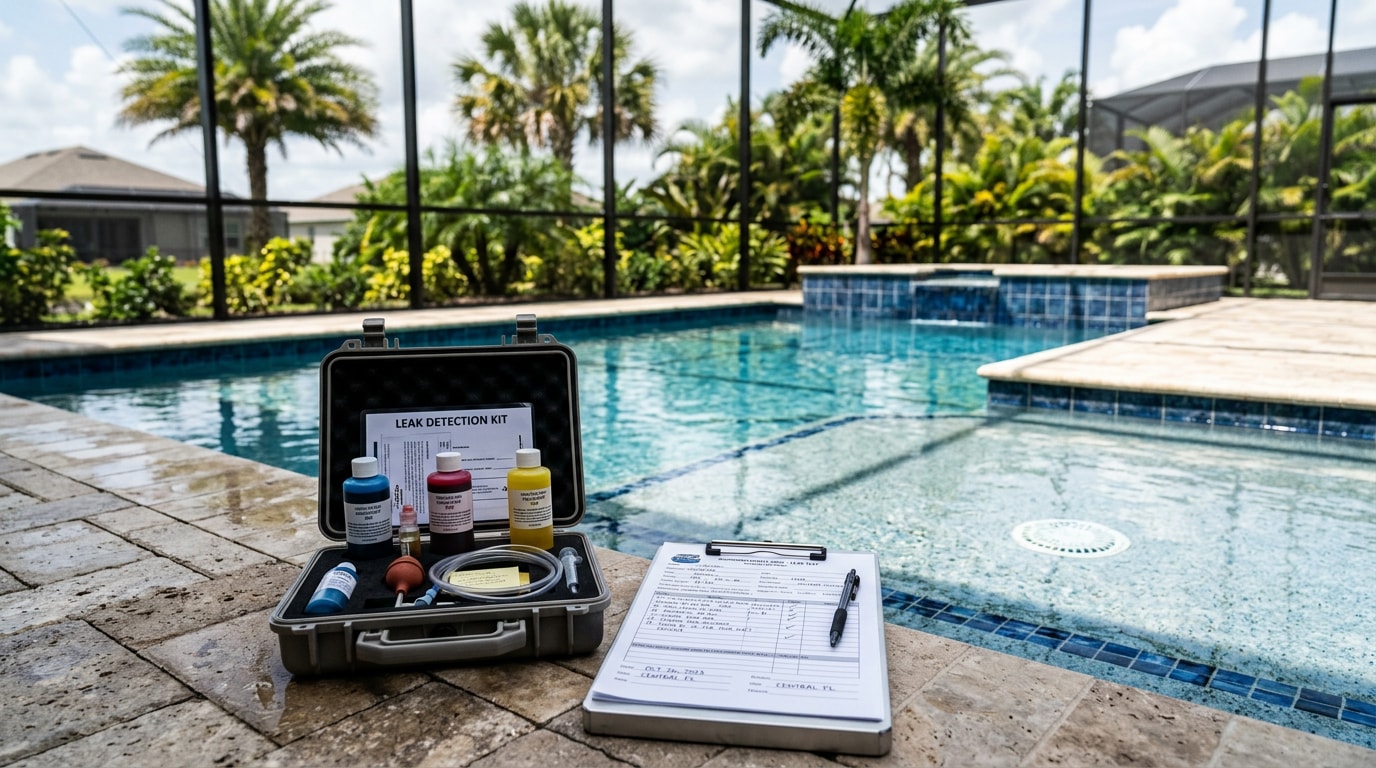
A complete pool repair kit should include the adhesive or sealant, an applicator, patch material (pre-cut or sized to trim), and basic safety gear like goggles. Checking the contents list before buying avoids a second trip for a tool you assumed was included.
- Adhesive or sealant rated for your surface type
- Applicator brush, dauber, or spreader
- Pre-cut or trim-to-size patch material
- Goggles or a dive mask for underwater work
- A cleaning pad or brush for prepping the damaged area
Pool Patch Formats Compared: Tape, Peel-and-Stick, and Adhesive Kits
Pool patches generally come in three formats, and each suits a different repair situation.
| Format | Application | Hold Time | Best Use |
|---|---|---|---|
| Tape patch | Wet or dry, no mixing | Days to a few weeks | Temporary fix until a real patch is applied |
| Peel-and-stick patch | Dry or wet, no separate adhesive | Semi-permanent | Small to medium tears, fast fixes |
| Full adhesive kit | Mixed/applied adhesive + cut patch | Near-permanent | Tears you want fixed for the life of the liner |
Note that a quick fix with ordinary tape is not a long-term solution; standard duct tape in particular is not built for pool liner repair. For a pool you plan to keep using for years, a full adhesive kit is worth the extra few minutes of application time over a quick tape fix.
How to Patch a Vinyl Pool Liner (Step-by-Step)
Patching a vinyl liner follows roughly the same sequence whether the tear is above or below the waterline, and in most cases you don't need to drain the pool at all. Draining can actually cause the liner to slip and wrinkle, which makes the repair harder, not easier.
- Locate and clean the tear. Scrub away algae, dirt, or oils around the damaged area so the adhesive can bond directly to the vinyl.
- Cut your patch. Round the corners since sharp corners catch and peel faster, and size the patch at least one to two inches larger than the tear on every side.
- Apply adhesive generously. Coat the back of the patch and the area around the tear evenly, following your kit's instructions for working time.
- Fold it "taco-style" for underwater application. This keeps the adhesive-coated sides together while you guide the patch down to the tear without losing adhesive to the water.
- Press from the center outward. This pushes out trapped air and water, the most common reason underwater patches fail.
- Let it cure undisturbed. Avoid brushing, vacuuming, or heavy swimming near the patch until the adhesive fully sets. Only attempt an underwater repair if you're a confident swimmer, and have someone nearby for safety.
If the tear reopens after a proper application, or you're seeing water loss a patch doesn't resolve, it may point to a leak elsewhere in the system. Our swimming pool leak detection guide for Seminole County walks through how professionals isolate a leak that a surface patch can't fix.
When to Call a Professional Instead of DIY
DIY patching works well for small, isolated tears and chips, but it has real limits. Large splits, repeated patch failures in the same spot, or leaks that seem to originate from plumbing fittings or structural joints usually aren't fixable with a repair kit alone.
In our service calls across Winter Park and the surrounding Orange County area, we see the same pattern every fall: a patch that held fine all summer starts lifting once overnight temperatures drop and the pool sees less daily use. Trapped moisture under an aging patch, combined with the first cold snap, is often what finally pulls it loose.
Attempting to patch damage that's too large or in the wrong spot can mask a bigger problem rather than solve it. A structural leak left unaddressed can erode surrounding soil and damage decking or equipment pads over time. It's also worth timing repairs around the calendar: the Atlantic hurricane season runs from June through November, and getting ahead of structural issues before storm season adds extra stress to a shell is good practice for any Central Florida pool. Industry guidance from the Pool & Hot Tub Alliance similarly points owners toward professional pool service for issues beyond basic maintenance, since a trained technician can tell the difference between a cosmetic patch job and a sign of bigger trouble.
If a patch won't hold after two attempts, or the leak rate doesn't slow down, it's worth having our pool resurfacing team take a closer look before the damage spreads. You can get a free estimate and have a technician assess whether a patch, a spot repair, or a full resurfacing makes more sense for your pool.
This guide is maintained by the licensed, CPO-certified pool contractors at Swimm Solutions, who repair, resurface, and maintain pools throughout Winter Park, FL and greater Orange County. Have a repair that doesn't look like a simple patch job? Contact our team for a free estimate.
FAQ
Can you patch a pool without draining it?
Yes. Most vinyl liner tears can be patched underwater using a kit rated for wet application, and draining is usually unnecessary. Draining can actually stress the liner and cause it to slip or wrinkle, making the repair harder than if you'd left the water in place.
How long does a pool repair kit patch last?
A properly applied patch can last anywhere from a few seasons to the remaining life of the pool liner, depending on application quality and chemical exposure. Patches in high-traffic areas or under constant UV exposure tend to wear faster than those in shaded, low-contact spots.
How long does pool patch adhesive take to cure before swimming?
It depends on the application. Standard dry-surface patches often reach a usable cure in about 24 hours, while deep underwater repairs commonly call for 48 hours undisturbed and up to four to seven days for a full cure. Check your specific kit's instructions rather than assuming one timeline fits every product.
Can you use duct tape to patch a pool liner?
Not for a real fix. Duct tape isn't built to hold up against pool chemicals and constant water exposure, so it's only useful as a very short-term stopgap until you apply an actual vinyl patch kit.
How much does a pool repair kit cost?
Most basic vinyl patch kits run in the $10–$25 range at hardware and pool supply stores, while larger kits with bigger patches or premium adhesive can run higher. Plaster and fiberglass repair kits are usually priced a bit above basic vinyl kits because of the resin or cement components.
Is it better to patch an old vinyl liner or replace it?
A patch is a reasonable short-term fix for one isolated tear in an otherwise healthy liner. If the vinyl feels stiff, faded, or thin in multiple spots, or you're patching the same liner repeatedly, it's usually nearing the end of its service life and a full replacement will save money over repeated patch jobs.